

The toughest time for your good bugs is the period from when they leave our loving care until they have established in your crop or garden. There are several things you can do to improve their survival and achieve the best outcome.
- Upon despatch, we send an email with tracking details. Make sure you are ready to receive them from the courier and don’t let them sit in the sun.
- Release before you have a major pest problem.
- Release sufficient numbers – don’t skimp only to be disappointed in the result.
- Make follow up releases – usually best at intervals of 2-3 weeks.
- Monitor closely and learn from experience. You can improve your judgement of numbers and timing to achieve the best outcomes.
- Understand your pests, know what you are dealing with, and anticipate well. Some pests (such as spider mites and aphids) can increase in number very quickly and catch you by surprise.
- Take great care with any spray treatments as many are quite harmful to our good bugs. Use the Biobest App as a guide if you feel you need to spray.
- Offer your good bugs additional food. Biodiversity generally favours good bugs. Many predatory mites for example, thrive on Nutrimite, a pollen that is like spinach is to Popeye.
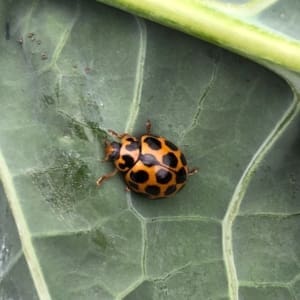
This spotted ladybird beetle has settled into her new home. Soon she will lay eggs among the aphids so her offspring can also enjoy the feast.
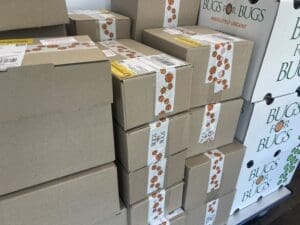
Boxed bugs
Our army of plant defenders packaged up and ready to be sent into action. Be there to receive them or provide a safe haven for their arrival.

Plan your beneficial insect releases in advance with our new multiple release option.

Download the Biobest Side Effects App to help understand the influence of pesticides.