

Description
About lacewings
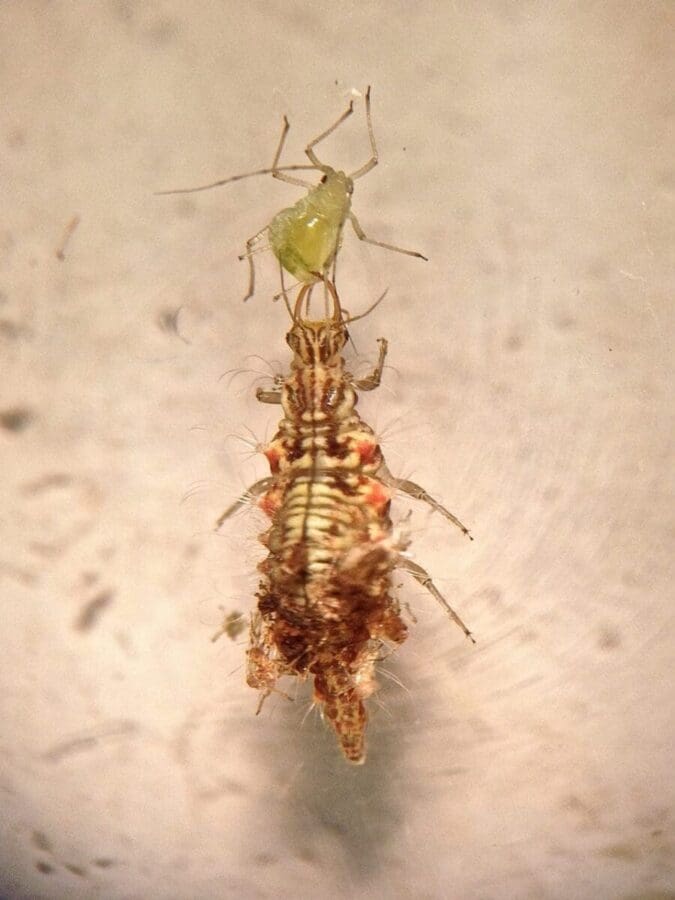
Lacewings are widely recognised for their role in helping reduce populations of many pest insects and mites. They are easily recognised and commonly occur in many environments including backyard gardens. These generalist predators feed on a range of pests including aphids, whiteflies, scale insects and mealybugs as well as moth eggs and small caterpillars.
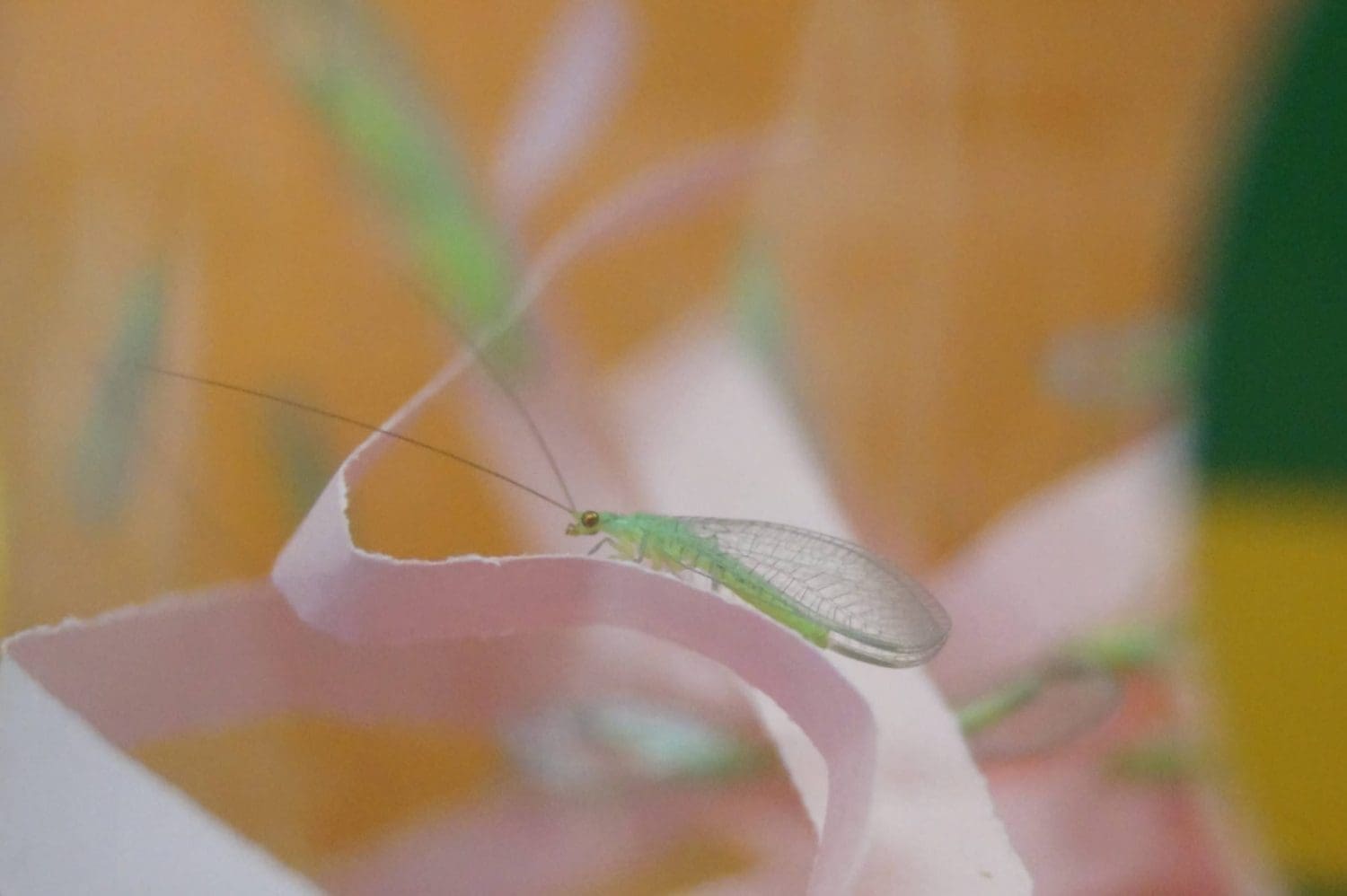
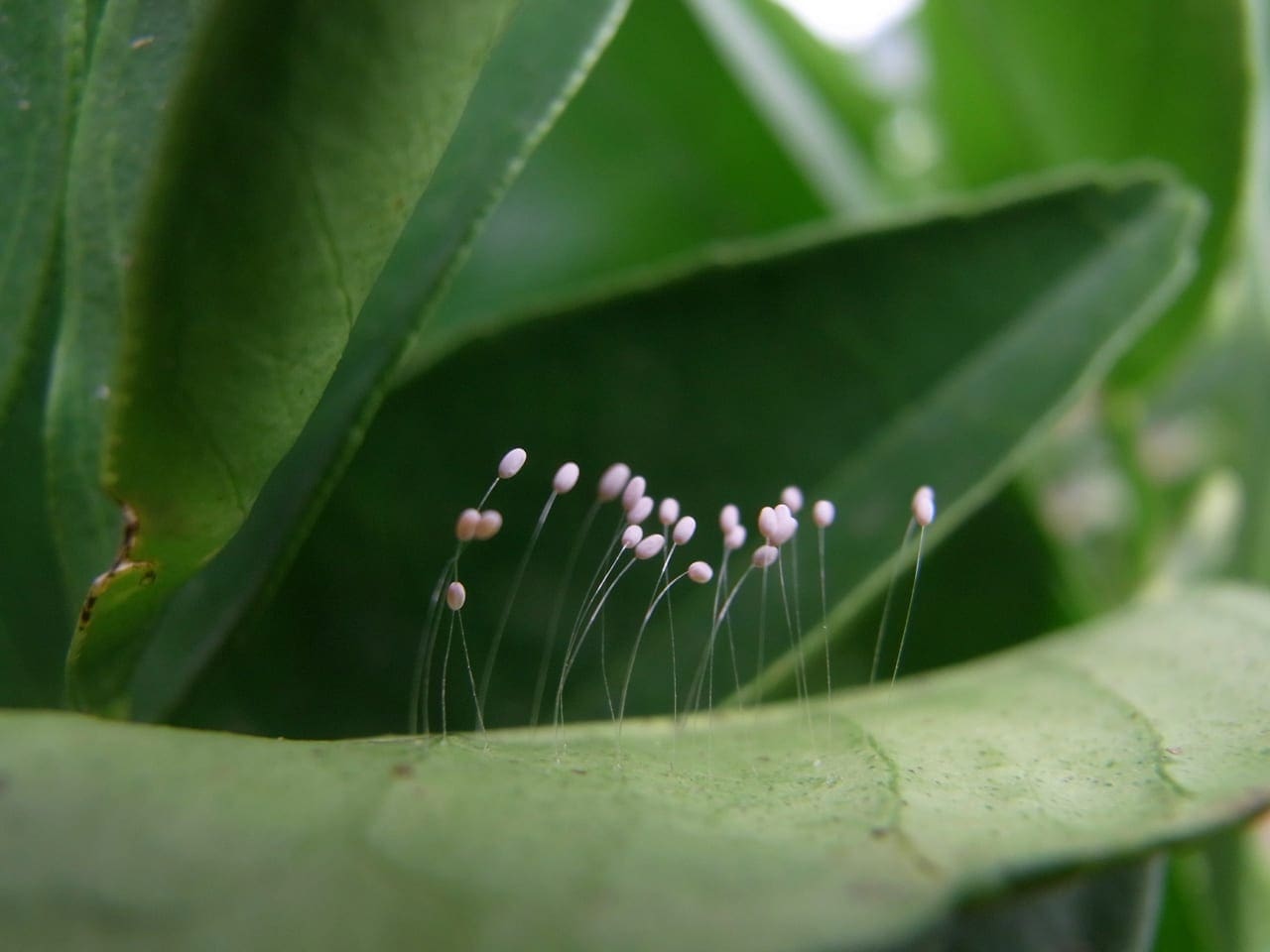
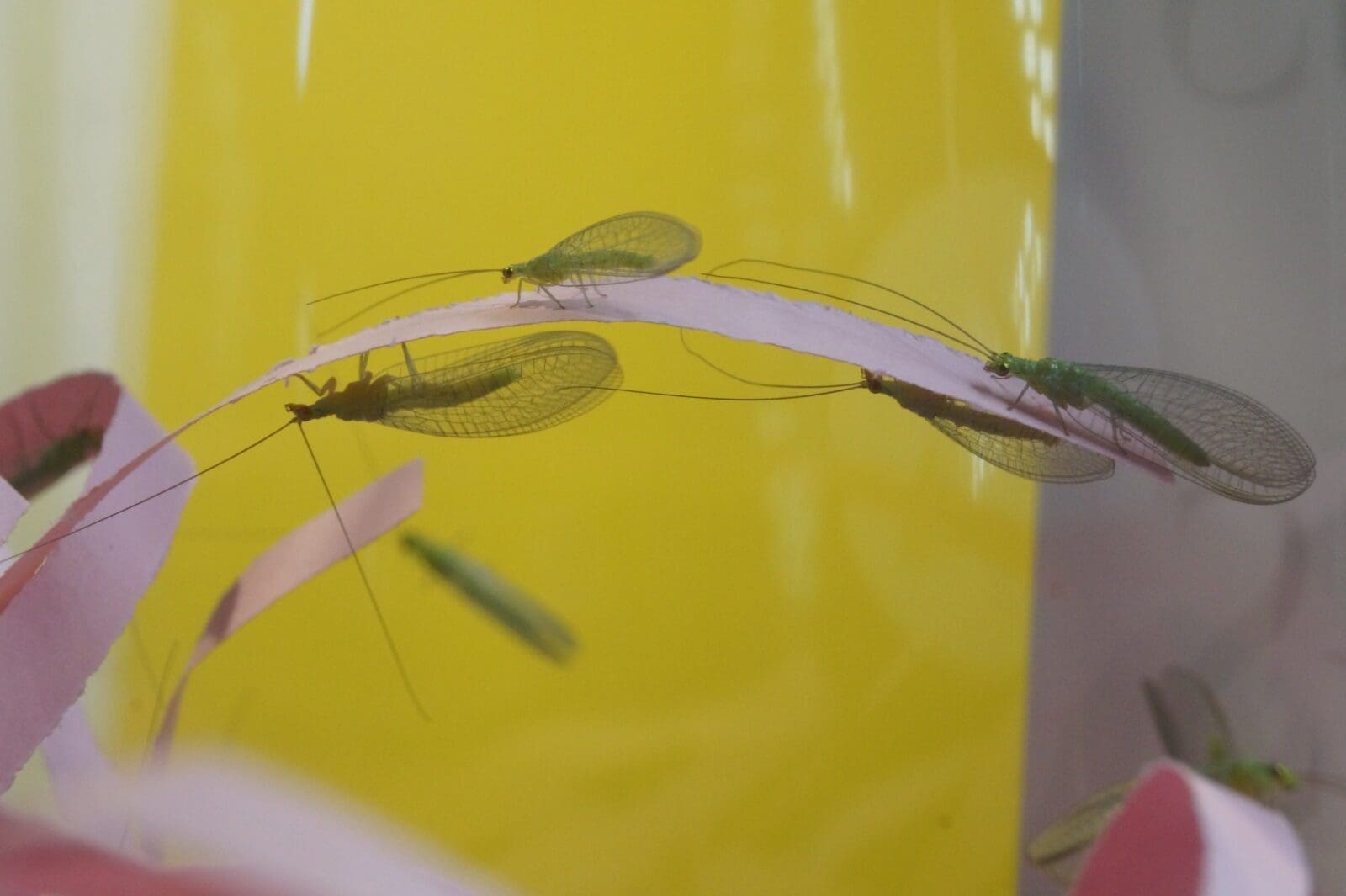
Our adult lacewings are green, with four clear wings. Adult females live for three to four weeks and lay up to 600 eggs. Each egg sits on the end of a slender stalk, which elevates it from the surrounds and decreases the chances of predation by ants. The eggs take approximately four days to hatch.
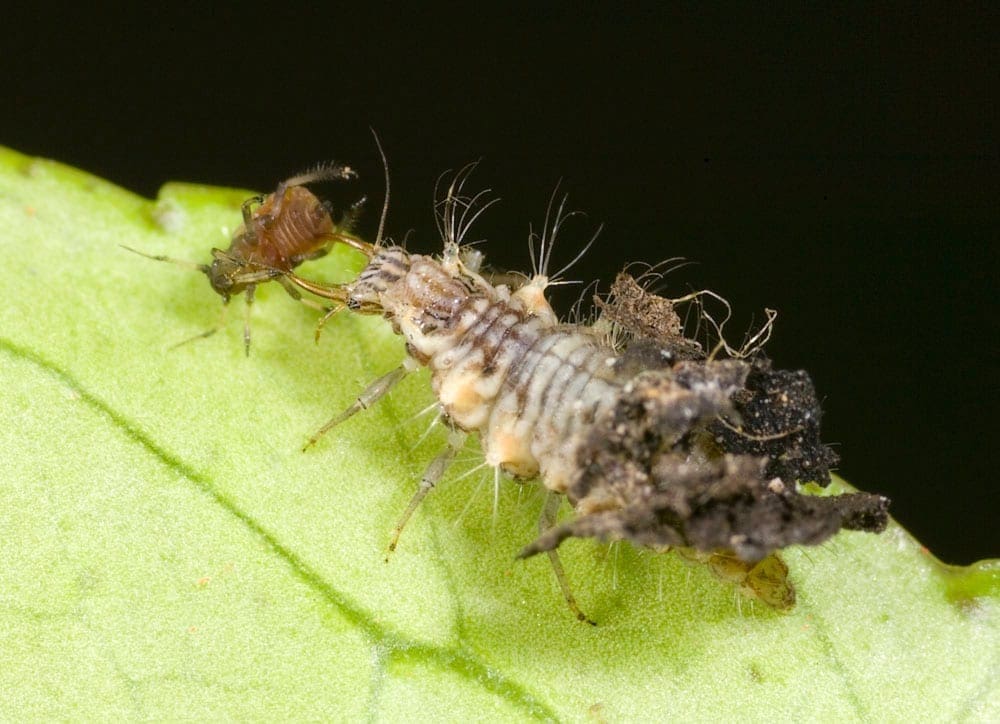
Larvae range in size from 1 mm at first emergence up to 8 mm just before they pupate. They have small spines on their backs upon which they impale the remains of prey thus providing a form of camouflage, making them very hard to spot, especially when small. The larvae pass through three moults over a period of 12 days before pupating inside a silken cocoon. Adults emerge after nine days and start laying eggs seven days after emergence. For more images and an excellent description of the the lacewing lifecycle follow the embedded link.
The education kit
This education kit is designed to help teach children and students of all ages more about insects and especially that many insects are indeed very useful and help to regulate pest populations. Lacewings are particularly good for this purpose because:
- They are attractive, relatively large, highly visible and easily recognisable
- The larvae feed equally readily on a range of pest insects from the garden or from the supplied moth eggs
- Lacewing larvae are very different from the adult stage (= holometabolous) and have a true pupal stage
- After they have completed their development the adult lacewings can be released into any garden where they can lay eggs and continue the cycle of life
Contents of the lacewing education kit
Our education kit consists of the following:
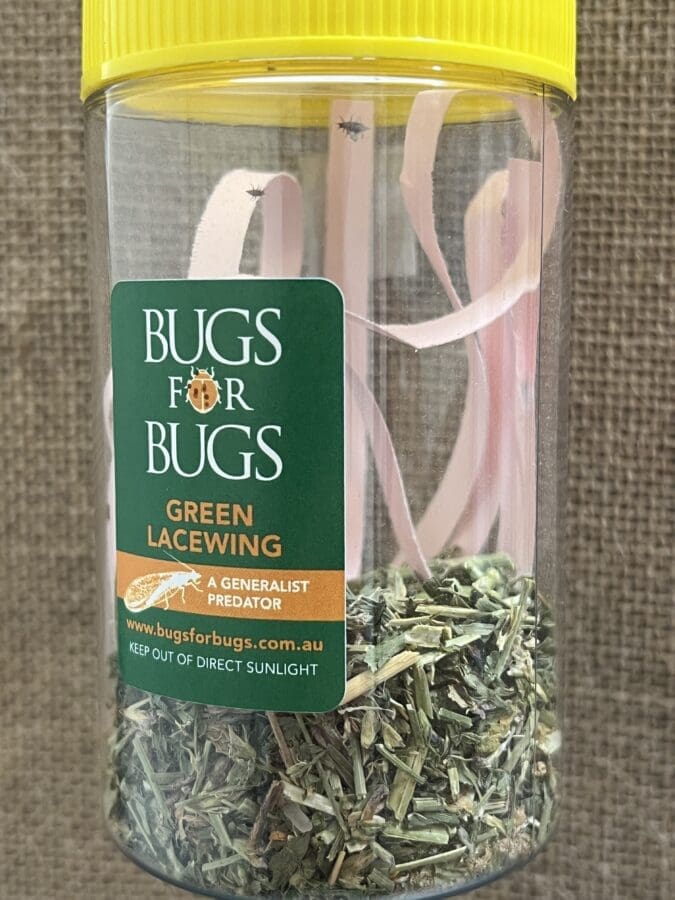
- Clear plastic jar with screw-cap lid (vented).
- Lacewing eggs mixed with lucerne chaff (an ideal medium for the young lacewings to grow and develop in)
- Moth eggs as food for lacewing larvae
- Small feeding spoon
Instructions.
- Place vial of moth eggs into fridge or freezer.
- Check daily for emergence of small lacewing larvae (usually 2-10 days after arrival). First stage lacewing larvae are incredibly tiny and difficult to spot.
- After emergence feed with moth eggs every second day with one scoop from the straw (provided).
- Return moth eggs to fridge or freezer immediately after feeding.
- If available, your lacewing larvae will also love a feed of fresh aphids from your garden.
- The larvae will grow and develop in 3-6 weeks and then disappear into the lucerne chaff as they seek shelter to pupate. You may not see any activity for a week or more as they complete this critical phase of their life cycle.
- Ultimately the life cycle will be completed as adults emerge ready to mate, feed and lay eggs for the next generation.
What to do with your adult lacewings
Adult lacewings may be released into your garden where they will lay eggs to continue their life cycle. If you wish you may keep them alive (and laying eggs) in captivity. For this you will need to feed them a mix of yeast and honey and offer a wetted sponge or similar for provision of water.
Other information about lacewings
Like all insects, lacewings are not able to regulate their own body temperature. The rate of development will depend on the average temperature at the time. Ideally they should be kept at 22-26°C.
Ants can prey on lacewing eggs and young larvae. Ensure your Lacewing Education Kit is protected from attack by ants.
For more information about how these important biological control agents can help visit our page on lacewings.
For your son, daughter or grandchild a handlens would also make a great complimentary gift.
Reviews
There are no reviews yet.